Gaming laptops with the best battery life — in-stock options Pakistan (September 2026)
By the Pixlaps team - Updated 2026-09-07
Key takeaways
- OKGaming laptops trade raw performance for battery life; pick larger Wh batteries, energy-efficient CPUs, and models that can switch to integrated graphics for the best unplugged endurance.
- OKDisplay choices (resolution and refresh rate) and brightness are among the fastest ways to reduce runtime—choose lower refresh rates or adaptive panels for longer battery life off the mains.
- OKCheck product pages for battery capacity and charger wattage, and for used units always request a recent battery-health report and diagnostics.
- OKWhen portability matters, look at slim gaming lines that pair efficient CPUs (U/HS class or Ultra-series with power profiles) with reasonable battery packs rather than the heaviest performance chassis.
- OKThis page lists in-stock catalogue models at the time of the snapshot so you can compare options and their current asking prices directly.
How to set realistic expectations for battery life in gaming laptops
Gaming laptops are designed for higher sustained performance, so expect shorter battery runtimes during gaming compared with ultrabooks and thin-and-light notebooks. Even models that advertise efficient CPUs will still see dramatic battery drops under GPU-bound workloads.
For non-gaming use—web, documents, video streaming—many gaming laptops can deliver several hours of runtime if you enable power-saving modes, reduce display brightness, and allow GPU switching to integrated graphics where supported.
Which hardware choices most affect unplugged runtime
Battery capacity in watt-hours is the baseline for how much energy the machine carries; always compare the Wh rating on the product page rather than guessing from size or model family.
CPU architecture and power-management matter: efficient U/HS-class mobile CPUs or chips with aggressive power limits will extend non-gaming battery life. Discrete GPUs that can downclock or hand off to integrated graphics for light tasks also make a measurable difference.
Display, refresh rate and battery life — practical trade-offs
High-refresh and high-resolution displays draw more power. If long unplugged runtime is a priority, prefer a 60Hz or adaptive-refresh panel and keep brightness moderate; this gives a bigger runtime increase than marginal CPU tweaks.
Some gaming models offer variable refresh or auto-switching to lower refresh rates on battery—use those features and disable unnecessary per-key RGB lighting to extend endurance.
Charging behaviour and what to expect day-to-day
Charger wattage affects recharge time: larger batteries recharge faster with higher-wattage adapters, while USB-C PD can top up for light tasks but often cannot sustain full-power gaming. Confirm supported PD wattage and the bundled adapter on the product page.
If you travel between sockets, carry the supplied adapter for full performance; for meetings and light work a small PD power bank or USB-C charger helps extend usable time away from the mains.
Buying tips when battery life is a top priority
Prioritise in-stock listings that show battery Wh and charger wattage; if the listing omits those figures, request them before buying. For used or open-box units, get a battery-health report (OS battery report or vendor utility) and diagnostics test results.
Use manufacturer power profiles or third-party utilities to set conservative power limits, cap refresh rate, and disable high-performance GPU modes when you need longer runtime without sacrificing the ability to game when plugged in.
Frequently Asked Questions
Will any gaming laptop last a full workday on battery?
Not usually while gaming. For web browsing and office tasks, some gaming models can reach multiple hours if you enable power-saving settings and limit display brightness; exact runtime depends on battery capacity, CPU efficiency and whether the discrete GPU is active.
Can USB-C charging sustain gaming?
USB-C PD can maintain light workloads on many models, but sustained gaming typically needs the full-wattage AC adapter the manufacturer supplies. Check the product page for supported PD wattage and the bundled charger details.
What should I ask the seller for when buying a used gaming laptop?
Request a recent battery-health report showing current full-charge capacity versus original design capacity, the number of charge cycles, and a recent diagnostics test. These figures are the best predictors of real-world remaining runtime.
Does a higher refresh-rate screen always reduce battery life?
Yes—higher refresh rates increase panel power draw. If you want longer unplugged runtime, lower the refresh rate or use adaptive/variable refresh settings where available.
Are slimmer gaming laptops better for battery life?
Not automatically. Some slim gaming models pair efficient processors with reasonable battery designs and can outperform thicker performance rigs for non-gaming endurance. Always check the battery Wh and power profiles rather than judging solely by chassis thickness.
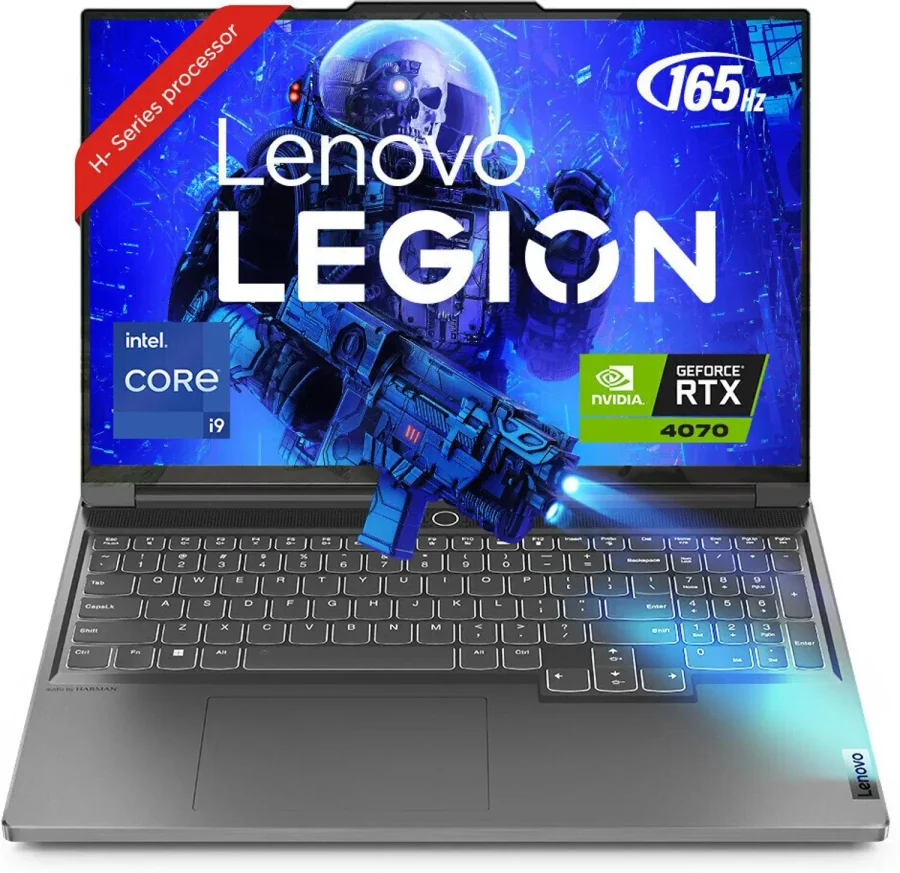
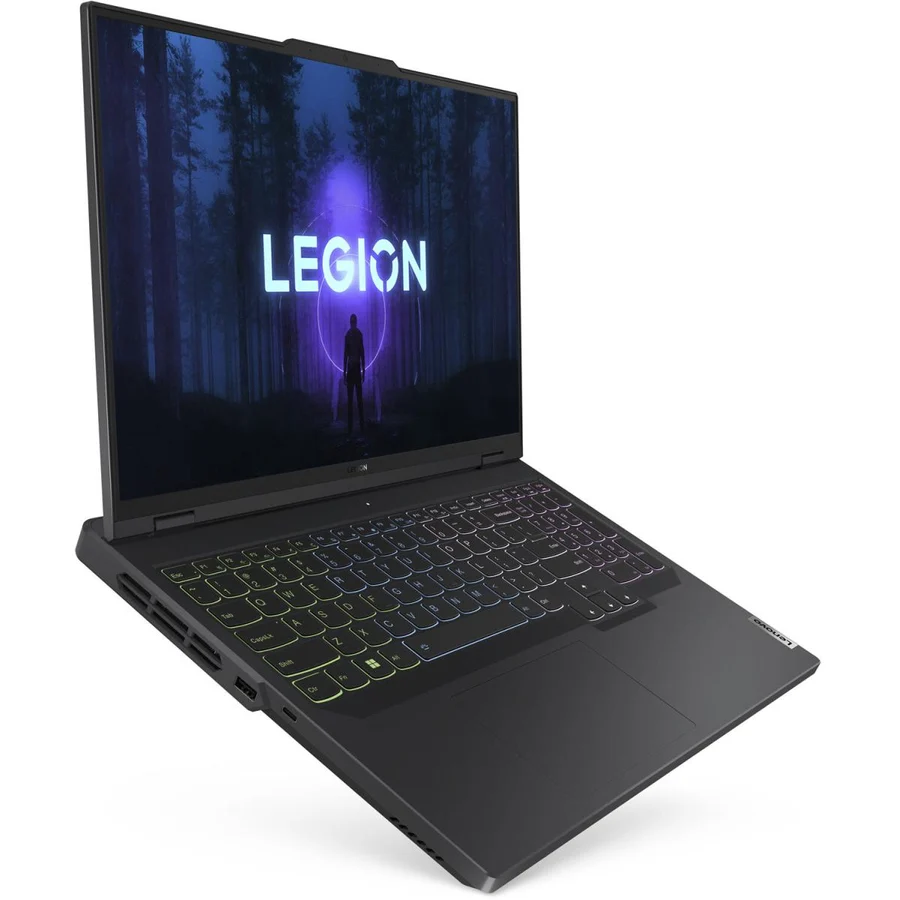
In-stock gaming laptops from the current catalogue
Live prices and in-stock status are from the catalogue snapshot.


 UsedIn Stock
 UsedIn Stock

 UsedIn Stock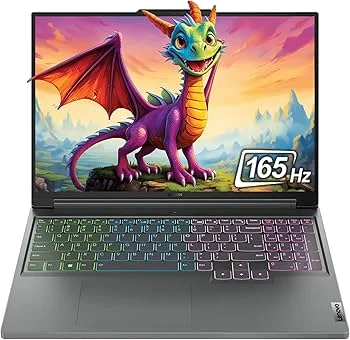
How this shortlist was selected
This page refreshes an earlier best-list and shows models that were in stock in the current catalogue snapshot for Pakistan. Selection emphasises models where manufacturers offer efficient mobile CPUs or slimmer chassis options that can extend non-gaming runtime.
Because product pages in the catalogue do not always include explicit Wh or charger wattage values, this list focuses on widely available gaming lines in stock and their current asking price so you can open each product page for detailed battery figures and power-mode documentation.
Browse related categories
Final recommendation
If battery life matters most, choose a gaming model with documented battery Wh, an efficient CPU family, and explicit GPU-switching or eco power profiles; use the product pages linked above to confirm charger wattage and battery-health details for used units before purchasing.
Check the live product pages in the catalogue for the exact battery capacity and any vendor diagnostics when buying used. Delivery and return policies are shown on each product page.